


Organic Mimosa Tree Seeds aka Silk tree, and 50 similar items
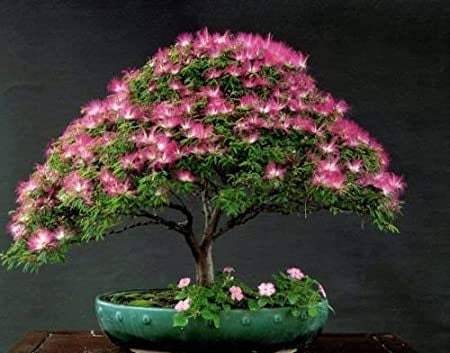
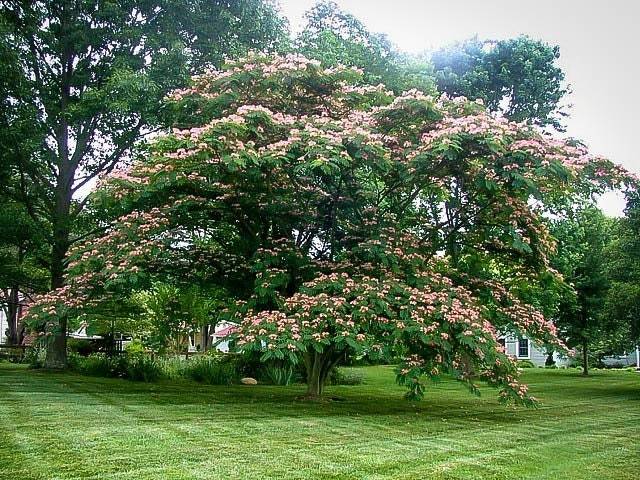
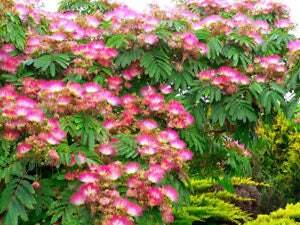
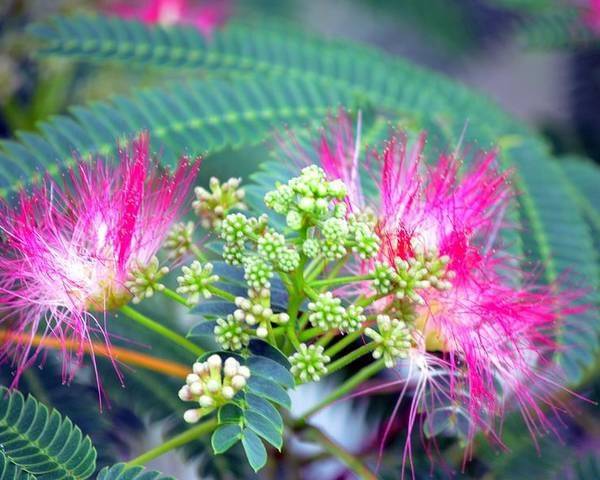
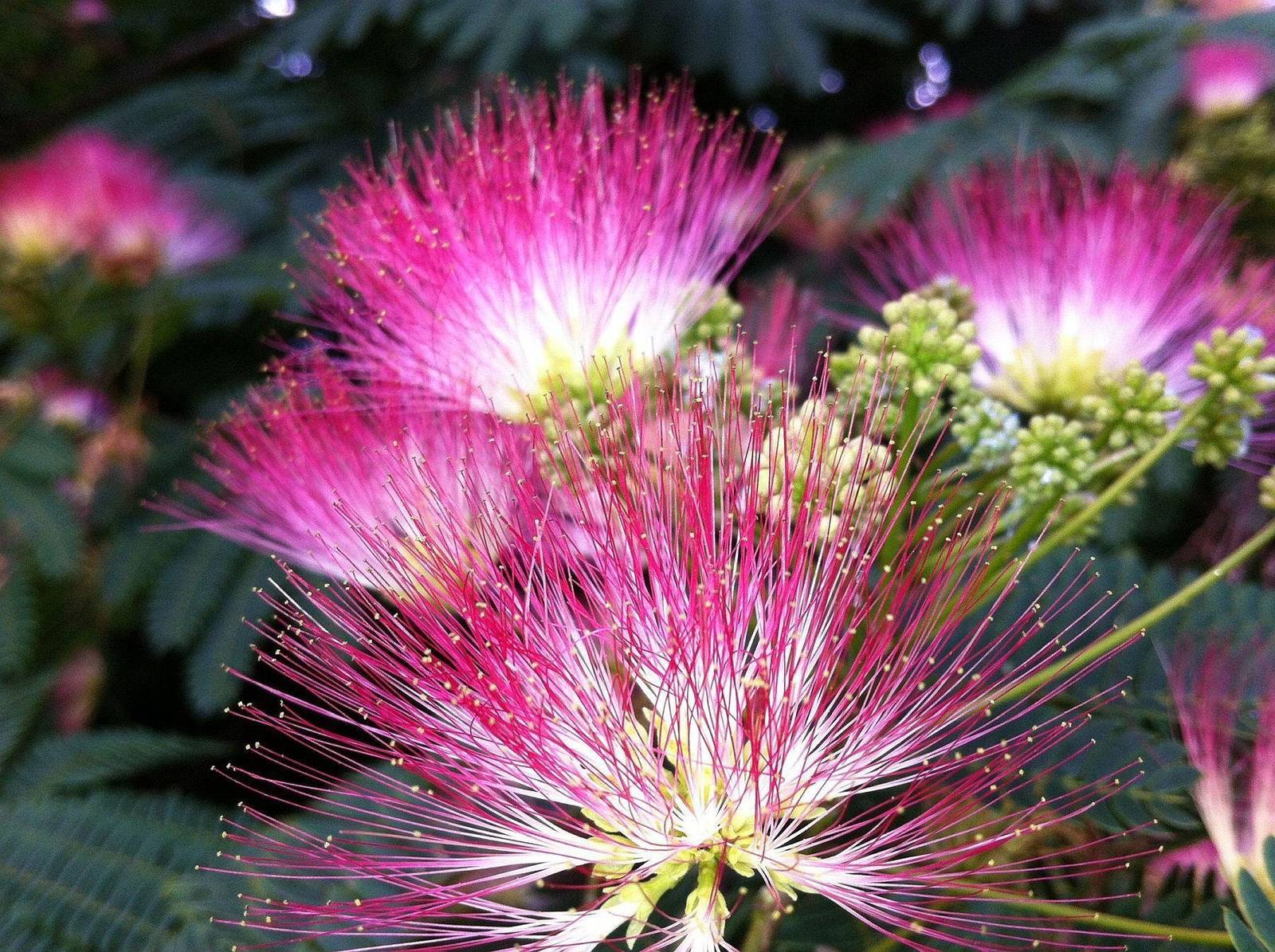
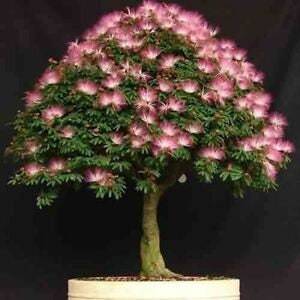
Organic Mimosa Tree Seeds aka Silk tree, Albizia julibrissin, Silky acacia, Pers
$4.95
(It may be possible to pay only $3.46 instead of $4.95 when you
use your bCredits at checkout)
Sign up and get $5.00 bCredits free to use at checkout and another $5.00 bCredits when you make your first purchase. More info
Share & earn! Sign in, share this or any listing, and you’ll get commission when it sells.
Learn more

View full item details »

Shipping options
Offer policy
OBO - Seller accepts offers on this item.
Details
Return policy
Full refund available within 30 days
Purchase protection
Payment options
PayPal accepted
PayPal Credit accepted
Venmo accepted
PayPal, MasterCard, Visa, Discover, and American Express accepted
Maestro accepted
Amazon Pay accepted
Nuvei accepted
View full item details »
Shipping options
Offer policy
OBO - Seller accepts offers on this item.
Details
Return policy
Full refund available within 30 days
Purchase protection
Payment options
PayPal accepted
PayPal Credit accepted
Venmo accepted
PayPal, MasterCard, Visa, Discover, and American Express accepted
Maestro accepted
Amazon Pay accepted
Nuvei accepted
Item traits
| Category: | |
|---|---|
| Quantity Available: |
100 in stock |
| Condition: |
Unspecified by seller, may be new. |
Listing details
| Seller policies: | |
|---|---|
| Shipping discount: |
Shipping weights of all items added together for savings. |
| Posted for sale: |
More than a week ago |
| Item number: |
1137720118 |
Item description
Heirloom Organic Mimosa Tree Seeds 10
Albizia julibrissin, the Persian silk tree or pink silk tree, is a species of tree in the family Fabaceae, native to southwestern and eastern Asia. The genus is named after the Italian nobleman Filippo degli Albizzi, who introduced it to Europe in the mid-18th century, and it is sometimes incorrectly spelled Albizzia.
Valued for their fragrant pink flowers and airy foliage, mimosas or silk trees (Albizia julibrissin) are a subtropical species of deciduous tree widely grown. Mimosa seeds germinate quickly in warm conditions and will put on approximately 36 inches of growth each year. However, the hulls of the seeds are very hard and must be processed before sowing to ensure successful germination.
Mimosas attract hummingbirds, butterflies and bees to the landscape.
Sow the Seeds
Fill individual 5-inch biodegradable pots with a lightly moistened mixture of half sand and half loam. Sow one seed in each pot at a 1-inch depth. Spread a 1/4-inch-thick layer of sand over the soil.
Move the Pots Outside
Set the pots outdoors against a south- or west-facing wall with full sun. Provide 75 F bottom heat with a propagation mat if the weather is cool and light shade at midday if daytime temperatures rise above 90 F.
Monitor the Moisture
Carefully monitor the moisture level of the soil. Water to a 2-inch depth whenever the top 1/2 inch of soil dries out. Avoid overwatering or letting the soil dry out completely, which will cause the mimosa seeds to fail.
Watch for Germination
Watch for germination one to three weeks after sowing. Grow the seedlings under the same conditions as during germination until they reach 3 inches in height and produce several mature leaves.
Transplant the Trees
Transplant the mimosa trees into a permanent bed in autumn at least six weeks before the first frost. Choose a planting site with full sun at least 20 feet away from structures, utility lines and other trees. Plant multiple mimosa trees approximately 20 feet apart.
Tip
Mimosas thrive in a variety of soil types and textures and may be found growing along roadsides or in abandoned fields in poor to average soils in full sun, although they can tolerate partial shade. Until the trees are well-established in your landscape, apply water when the top couple of inches of soil are dry to the touch; reduce water in winter. Suppress weeds by applying approximately 3 inches of organic mulch evenly out to the tips of the branches, but don't allow the mulch to touch the base of the tree. Withhold fertilizer for the first two to three years and then have the soil tested to determine if fertilizer is necessary.
|
Why are we showing these items?
Booth
Shortcake Farms |

|






-
Refine your browsing experience
We can show you more items that are exactly like the original item, or we can show you items that are similar in spirit. By default we show you a mix.















This item has been added to your cart
 Organic Mimosa Tree Seeds aka Silk tree, Albizia julibrissin, Silky acacia, Pers added to cart.
100 available in stock
Organic Mimosa Tree Seeds aka Silk tree, Albizia julibrissin, Silky acacia, Pers added to cart.
100 available in stock
View Cart or continue shopping.
 Please wait while we finish adding this item to your cart.


Get an item reminder
We'll email you a link to your item now and follow up with a single reminder (if you'd like one). That's it! No spam, no hassle.
Already have an account?
Log in and add this item to your wish list.


